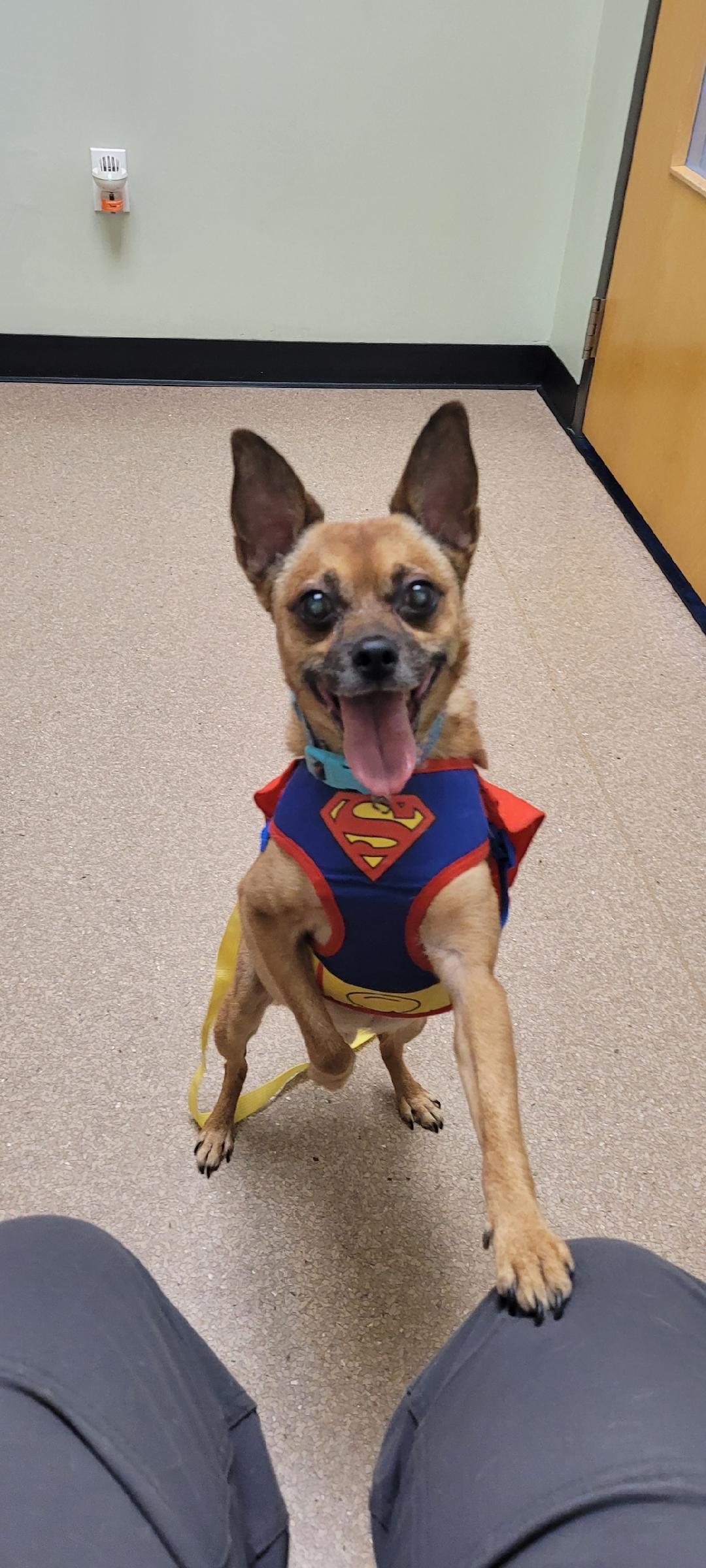
Our first foster dog arrived with a look of deep suspicion and zero understanding of what a couch was for. Teddy spent two days wedged behind ours like a very sad, very hairy throw pillow. By week two, he had stolen a sandwich off the coffee table with the confidence of someone who pays the mortgage.
That’s fostering in a nutshell: scared, then sneaky, then home.
We’re Ambra and Jon, and for 4 years we’ve opened our house to a few animals who need a soft place to land while they wait for their forever families. Our floors have never been clean since! Just kidding, but not really. Our hearts have never been fuller. (Our shoes have never been intact, but we’ve made peace with that as well.)
If you’ve been thinking about adding a dog to your life, here’s our honest, deeply biased advice: adopt from a rescue. Here’s why it matters, what we’ve learned, and how to actually do it.
Why adopting from a rescue saves more than one life
When you adopt from a rescue, you save the dog in front of you. You also free up a kennel or a foster bed for the next dog in line, which means one “yes” starts a chain reaction of second chances. It’s the best kind of domino effect, in my opinion anyways.
And here’s what nobody tells you: rescue dogs aren’t in rescue because they’re bad. Most lost their homes over boring human problems. A move. A job loss. A breakup. A landlord with a weight limit. A litter nobody planned for. Some were strays. Some were dropped off by owners who cried at the front desk. Not one of them left a bad review of their previous household.
Rescues also do the homework for you. Reputable ones typically vaccinate, spay or neuter, and microchip a dog before it heads home. Many use foster homes, which means someone has watched this dog live in a real house and can tell you if he’s good with kids, cats, or a quiet apartment. A listing photo can’t tell you that. A foster parent who has been vacuumed around by this dog for six weeks absolutely can.
Plus, your adoption fee isn’t a purchase price. It usually goes right back into vet care, food, and transport for the next animal.
What fostering animals has taught us
Fostering is the part of rescue most people never see. A foster home is a bridge. A dog comes in from a crowded shelter or a rough situation, and we give them time to decompress, learn house manners, and show us who they really are.
Here’s what that bridge has taught us:
- Give it a month. The terrified dog on day one is rarely the dog you have on day thirty. By then he’s snoring on your good pillow and acting like he negotiated the lease.
- Trust arrives in tiny pieces. A predictable meal. A quiet bed. A walk that always ends at the same door. Dogs are remarkably forgiving of people who show up consistently, which is more than we can say for most of us.
- Goodbyes are hard, and worth it. We cry when they leave. Every time. Ugly crying, sometimes in a parking lot. But handing a leash to a family who has been waiting for exactly that dog is the best moment we know. And then there’s a free bed for the next one.
- It takes a village. None of this works without the volunteers who drive transports, donate supplies, share posts, and show up at adoption events.
Mostly, fostering taught us there’s no such thing as a perfect rescue dog, just the right dog for the right home. Also that nothing left on a coffee table is safe.
Four rescue dog myths we’d love to retire
We hear the same worries at nearly every adoption event. Let’s tackle them, ideally before someone is already holding a puppy.
“Rescue dogs are damaged.” Most are just regular dogs who lost their homes through no fault of their own. Some need extra patience. Plenty show up house-trained, leash-friendly, and sweeter than the pie at a church potluck. (Frankly, our own baggage is worse.)
“You can’t find a puppy or a specific breed.” Rescues take in puppies, adults, and seniors, and there are breed-specific rescues for nearly every breed you can name. Mutts are great too. They come with a free mystery: what is he, exactly? Part lab, part ottoman?
“You don’t know what you’re getting.” With a foster-based rescue, you often know more than you would anywhere else. A foster parent can tell you how a dog handles thunderstorms, cats, strangers at the door, and the mail carrier (the eternal nemesis).
“The process is too complicated.” Applications, references, a home visit: it can feel like applying for a mortgage. But those steps protect you and the dog from a bad match. A rescue that asks a lot of questions is a rescue that cares where its dogs end up.
Still unsure? Ask to foster first. Plenty of fosters end up adopting. We call it a “foster fail,” and it’s the happiest kind of failure there is.
How to adopt from a rescue, step by step
Ready? Here’s the path we walk new adopters through, minus the part where we cry.
- Be honest about your life. Think about your schedule, space, budget, and who lives in your home. The right dog fits your real life, not the imaginary one where you suddenly jog at 6 a.m.
- Find a reputable rescue. Look for a registered nonprofit with a clear adoption process and a vet relationship. Ask what’s included in the fee and what happens if the match doesn’t work out. Local shelters and breed-specific rescues are both great places to start.
- Fill out the application. Expect questions about your home, your other pets, and your experience with dogs. Be candid. There are no wrong answers, only wrong matches.
- Meet the dog, and bring the whole family. If you already have a dog, set up a meet-and-greet on neutral ground so they can size each other up like tiny, furry diplomats.
- Ask the foster parent everything. Energy level, crate habits, favorite treats, what scares him. They know things no paperwork will tell you, including which sock he’s obsessed with.
- Plan for the adjustment. Many rescuers talk about the “3-3-3 rule”: roughly three days to decompress, three weeks to learn the routine, and three months to feel truly at home. Keep things calm, keep a steady schedule, and give your new dog space.
- Stay in touch. A good rescue wants updates (photos strongly encouraged) and will help when things get bumpy.
Can’t adopt right now? You can still help
Not every home is ready for a dog, and that’s okay. Rescue runs on community, and there’s a job for everyone:
- Foster. Even a few weeks gives a dog room to breathe and frees up space for another. Most rescues cover food and vet care. You just supply the couch and the patience.
- Volunteer. Walk dogs, drive transports, or help at adoption events.
- Donate. Money, blankets, leashes, and food all get used fast. Yes, we will gladly take your gently used towels.
- Share. One repost of an adoptable dog’s profile can reach the exact person who has been looking for him.
- Show up. Come to events and bring a friend. Every conversation about adoption plants a seed.
That last one is most of what we do. Chatting with neighbors, hanging out at community events, and answering questions over coffee has done as much for our foster dogs as any application form. Also, people sometimes hand us snacks.
Your next dog is waiting
Every dog we’ve fostered has taught us something about patience, second chances, and how much a little kindness can change a life. The dog you adopt from a rescue will change yours just as much (and probably your carpet).
If you’re ready, search for rescues near you and send that first message. If you’re not ready yet, share this post with someone who might be. And if you’ve ever wondered whether you could foster, [reach out to us at (hello@therealunderbelly.com)]. We’d love to talk. We have snacks!
The right dog is out there, probably wedged behind someone’s couch right now, waiting for you to open the door.
No responses yet